Introducing Off the Shelf
Off the Shelf is Akurium’s publication about collecting, close attention, and the lives people build around objects.
By Akurium
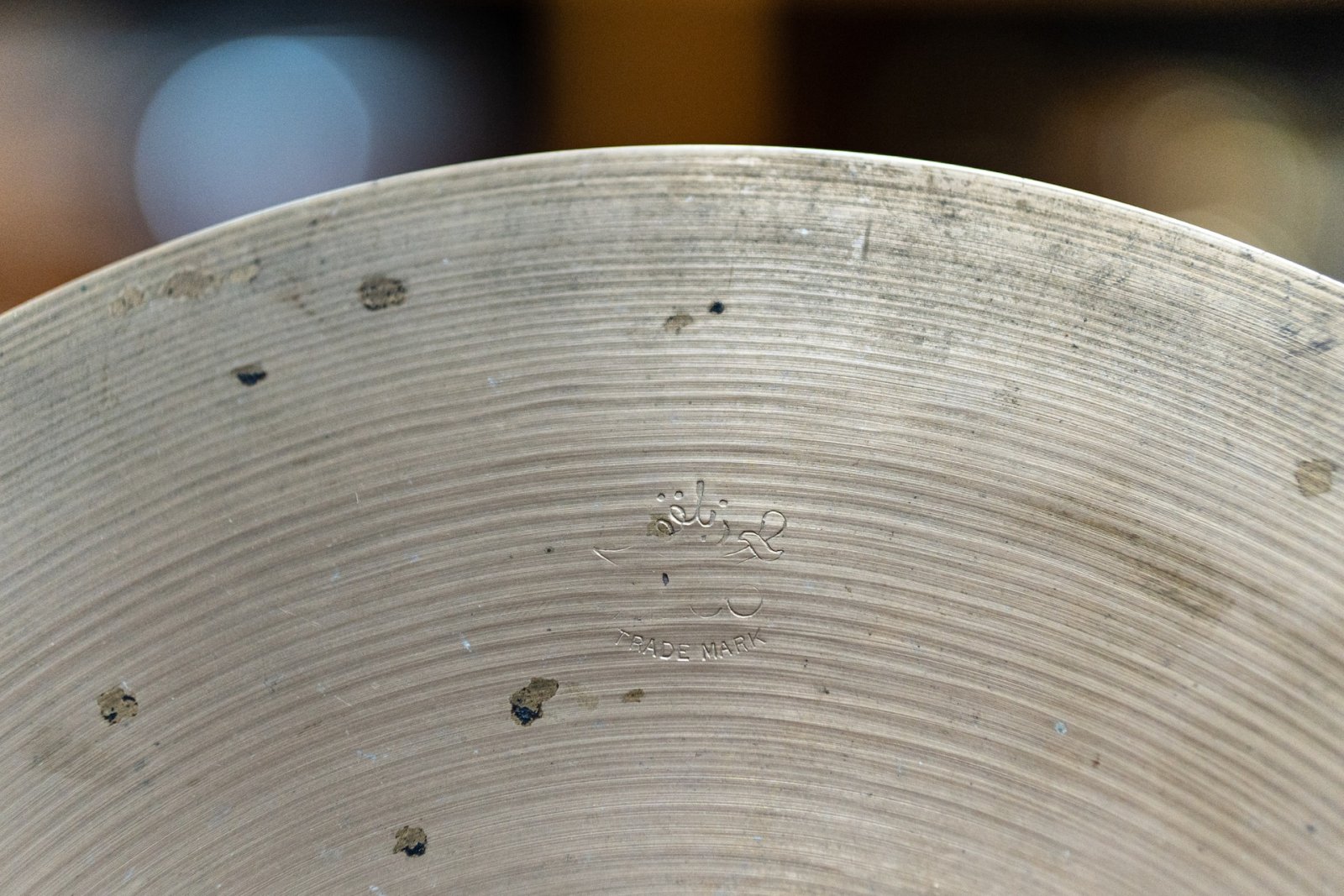
Take something down from a shelf.
Not the most valuable thing you own or the one you would choose to impress a visitor. Choose something ordinary: a chipped cup, an old camera, a concert ticket, a stone carried home from somewhere you still remember.
Turn it over. Look for a label, a maker’s mark, a repair, or a note written in someone else’s hand. Try to remember where it came from. Notice what you know about it—and what you do not.
An object changes when we give it our attention.
That idea sits at the center of Off the Shelf, a new publication from Akurium about collecting and the lives people build around things.
Collecting begins with attention
Collections are often presented through their most visible qualities: rarity, quantity, completion, or monetary value. Those things can matter, but they describe only a fraction of what makes collecting interesting.
A collection can preserve the history of a place, trace the development of a design, or hold the memory of a person. It can begin with a deliberate plan or reveal itself gradually in the things someone repeatedly chooses to keep.
Some collections contain thousands of carefully cataloged objects. Others fit inside a drawer. Neither scale tells us how much knowledge, memory, or care the collection contains.
Off the Shelf will look closely at the practice behind collecting: how people decide what belongs, how they arrange what they have, what they record, and what they hope will remain after them.
A place for practical knowledge
Paying attention to objects raises practical questions.
How should you photograph something reflective? What information belongs in a useful catalog record? Where does an object go when it fits three categories equally well? Should an old handwritten label be removed, corrected, or preserved?
There is rarely one answer that works for every collection.
Off the Shelf will offer guides to documentation, photography, classification, preservation, and organization. The aim is not to impose institutional standards on every shelf and shoebox. It is to explain useful principles clearly enough that collectors can adapt them to their own circumstances.
A catalog can begin with a title and one good photograph. A classification system can change as the collection teaches you what it needs. “Unknown” can be an accurate and valuable piece of information.
Good stewardship does not require pretending to know more than we do.
Serious ideas without a velvet rope
Collecting draws upon many kinds of knowledge.
A historian may recognize the cultural context surrounding an object. A conservator may understand the materials from which it was made. A collector who has handled hundreds of similar examples may notice a variation that escapes everyone else.
Expertise can be academic, professional, practical, inherited, or self-taught. Off the Shelf has room for all of it.
We will introduce specialized vocabulary when it helps, but we will not use obscurity as evidence of intelligence. We will make complex ideas approachable without sanding away what makes them complex.
You should not need a degree to enter the conversation. You should not need to leave your expertise at the door, either.
More than things for sale
Objects are frequently discussed as products entering or leaving a market. Akurium begins somewhere else: with the things people have chosen to keep.
Some are valuable. Many are not. Their significance may come from design, history, personal association, accumulated knowledge, or simply the pleasure of looking closely.
Off the Shelf will consider objects as evidence and companions—not merely inventory. We are interested in what they reveal about their makers, users, owners, and collectors. We are equally interested in the systems people build around them: the categories, notes, photographs, labels, and arrangements that allow a collection to remain intelligible.
Eventually, this publication will also make room for collectors themselves. We want to understand how collections begin, how they change, and what their keepers have learned from sustained attention.
Those stories must come from real people and real collections. We are willing to wait for them.
Why Akurium is publishing this
Akurium provides a place to organize and share collections. But software can record only part of what collecting involves.
A field can hold a date. It cannot decide how certain that date is. A category can group objects together. It cannot fully explain why that grouping matters. A photograph can show an object while leaving its history invisible.
Those questions require language, examples, disagreement, and reflection. Off the Shelf gives us a place for them.
It will also give us room to explain the thinking behind Akurium: why the product distinguishes categories from themes, why uncertainty deserves to remain visible, and why a collection platform should accommodate novice collectors and serious archivists without treating either as an afterthought.
The publication and the product share a conviction: collections deserve context.
An invitation to look again
Off the Shelf will publish essays, practical guides, field notes, focused explorations of objects, and—when the time is right—conversations with collectors.
We will talk about organization without pretending every collection wants the same system. We will discuss care without casually issuing conservation advice. We will take ordinary objects seriously without insisting that every object carry a grand lesson.
Most of all, we will practice attention.
So take something down from the shelf. Look at the reverse. Read the label. Ask what you know, how you know it, and what someone else might need in order to understand it later.
Then put it back with a little more context than it had before.